
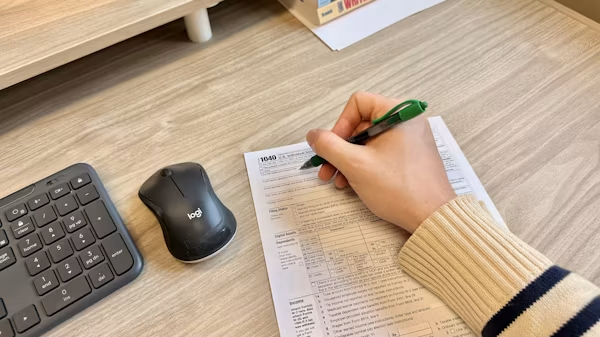
Managing tax effectively does not mean looking for complicated loopholes. For most small businesses, good tax planning starts with accurate bookkeeping, understanding legitimate expenses and preparing for tax liabilities before deadlines arrive.
One of the most important habits is keeping your financial records updated throughout the year. Waiting until your accounts or tax return are due can make it easier to miss legitimate expenses, lose receipts or incorrectly categorise transactions.
Keeping business and personal finances separate can make this significantly easier. A dedicated business bank account allows you to identify business transactions more clearly and reduces the risk of personal purchases being included incorrectly.
Businesses should also understand which expenses can legitimately reduce taxable profits. For self-employed individuals, HMRC allows qualifying business costs to be deducted when calculating taxable profit. Common categories can include office costs, certain travel expenses, staff costs, insurance, premises expenses, advertising and relevant training.
However, paying for something through a business account does not automatically make it tax deductible. The purpose of the expense and applicable tax rules determine whether it qualifies.
Another useful tax-management habit is retaining supporting documentation. Keep invoices, receipts and other records that demonstrate the cost and business purpose of transactions. HMRC may request supporting evidence even though receipts are not normally submitted with a Self Assessment Tax Return.
Businesses should also plan for tax payments throughout the year. Instead of treating all money in your bank account as available working capital, consider maintaining a separate tax reserve.
If you are VAT registered, remember that VAT collected from customers may ultimately be payable to HMRC. Similarly, limited companies should plan ahead for Corporation Tax and employers should reserve funds for PAYE and National Insurance liabilities.
Reviewing your bookkeeping every month can also help identify unpaid invoices, unexpected expenses and changes in profitability.
Business owners should consider their structure as the business grows. A sole trader and a limited company are taxed differently, so a structure that was appropriate when a business first started may not always remain the most suitable option.
Professional advice can be particularly useful before making major decisions such as purchasing expensive equipment, taking money from a limited company, making pension contributions or changing the legal structure of a business.
Tax planning works best when decisions are reviewed before the end of the relevant tax or accounting period rather than after it has already finished.
At EasyFig, we help UK businesses maintain accurate records, understand allowable expenses and prepare their accounts and tax returns correctly.
Want better control over your business taxes? Book a free consultation with EasyFig today.